A dining room built for entertaining needs three things: a table with true elbow room (60cm per guest), lighting you can dim, and a layout that lets someone leave for the kitchen without making four people stand up. Style is negotiable; those three are not.
Everything else in this guide hangs off that skeleton, because the difference between a dining room that hosts one dinner a year and one that hosts twenty is comfort, not decor.
How Big Should the Table Really Be?
Count your realistic guest number (not your fantasy one) and give each seat 60cm of width. Then check clearance: 90cm between table edge and wall lets guests slide out; 120cm lets someone walk behind a seated person. A grand table in a tight room entertains worse than a modest one with breathing space. Round tables buy conversation in small rooms; long rectangles scale better past eight.
What Lighting Makes Dinners Feel Good?
One pendant (or a pair) hung 75–90cm above the tabletop, on a dimmer, at 2700K warmth. Bright-white overhead light is the fastest way to make food look clinical and guests look tired. Add two indirect sources (a wall sconce, a lamp on the sideboard) so the room glows instead of glares. Candles are not a cliché; they are lighting design that costs two dollars.
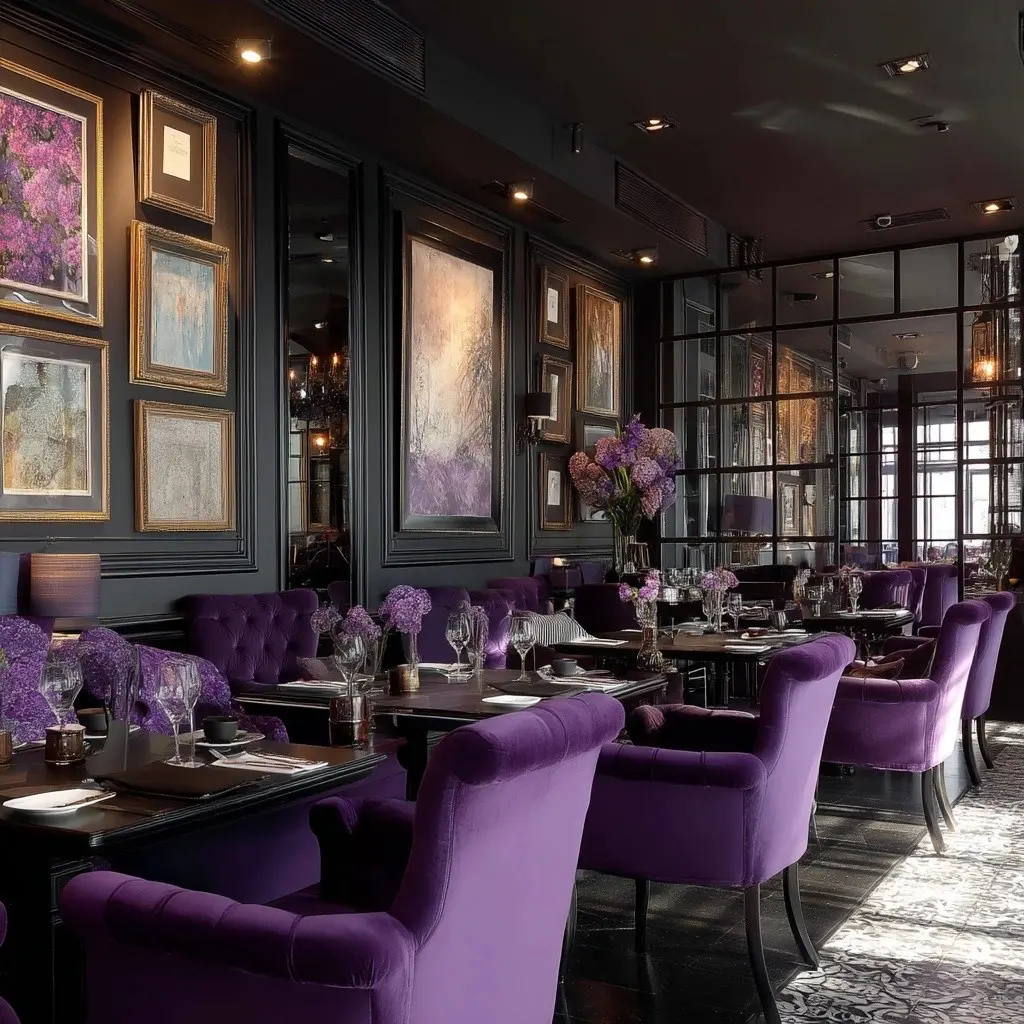
The Entertainer's Setup, Step by Step
Anchor with a rug
Big enough that chairs stay on it even when pulled out, usually the table's footprint plus 75cm each side.
Add a serving surface
A sideboard or console within two steps of the table turns hosting from relay race to hospitality.
Seat flexibly
A bench on one side absorbs extra guests; two spare folding chairs hide in a cupboard, not in the room.
Set the sound
A small speaker in the corner, playlists at conversation volume. Silence is a guest nobody invited.
Dress the table in layers
Runner, low centrepiece (guests must see each other), cloth napkins. Fifteen minutes, restaurant energy.
Want to Preview It First?
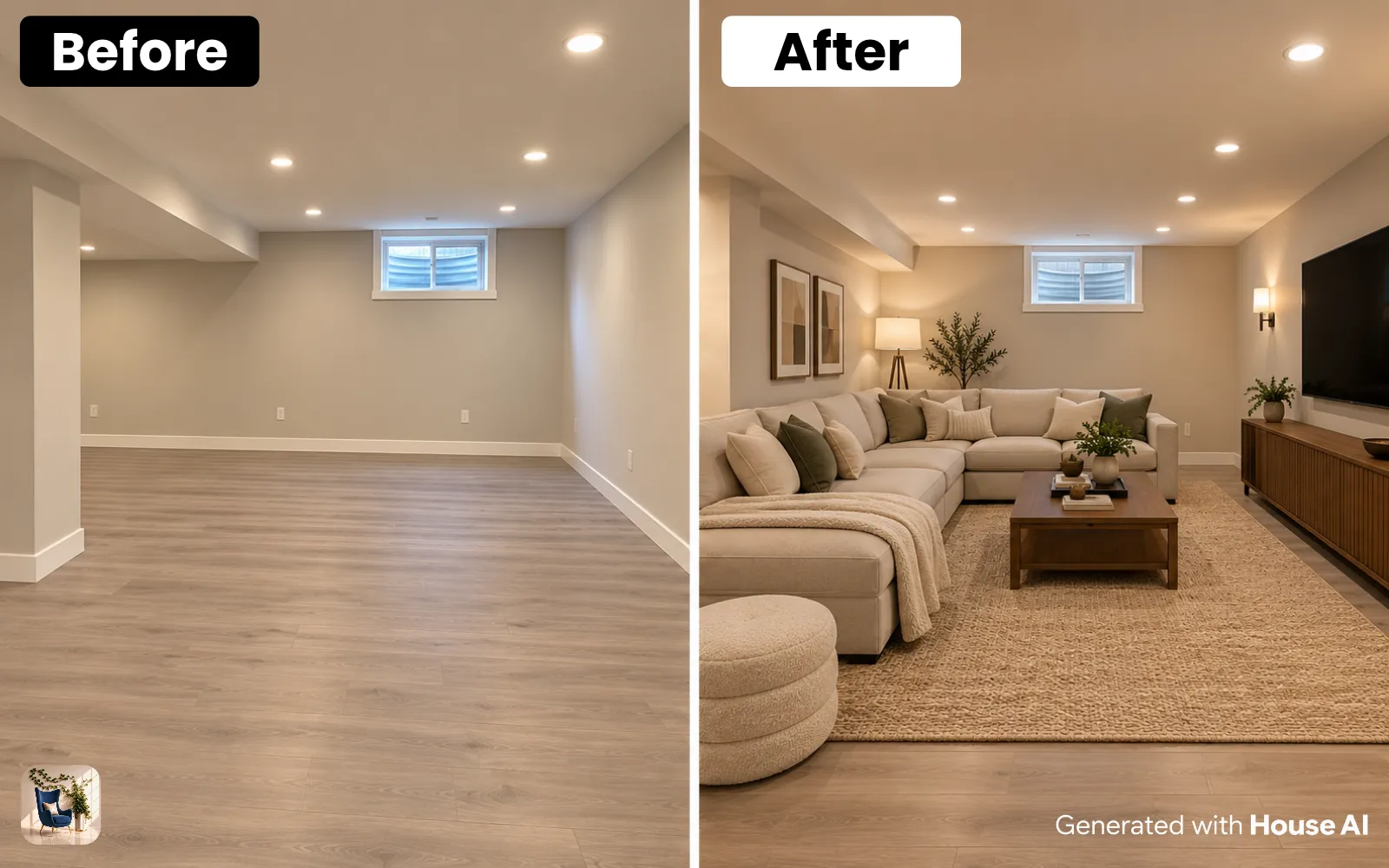
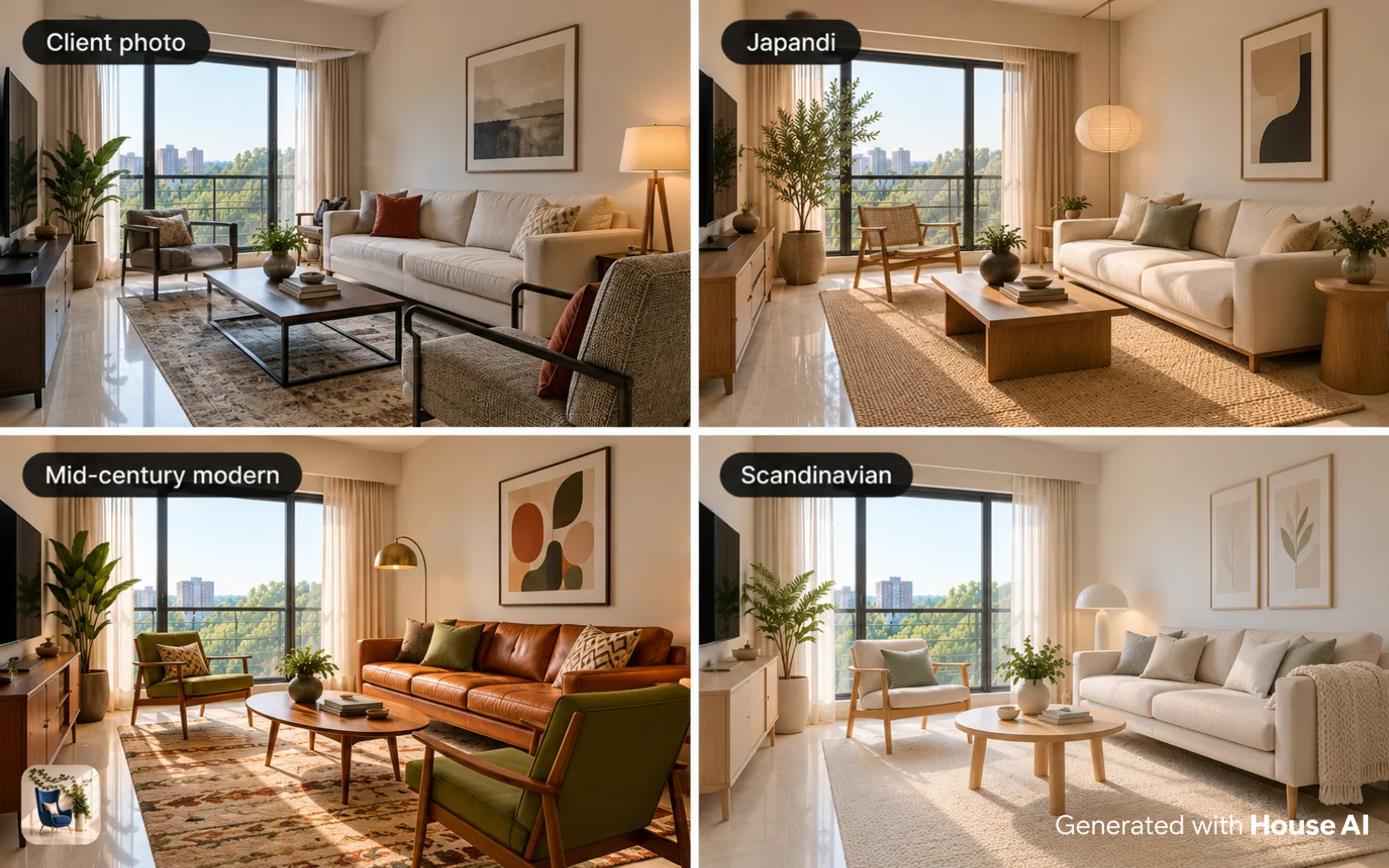
Photograph your dining room and let House AI restyle it, test a moodier palette, a different table orientation, or a formal-versus-casual direction before you rearrange anything heavy. One render often settles the debate about whether the room can take a darker wall.
Design any room, shop or space with House AI in about 15 seconds. 1 free design a day.
Get Started TodayFAQ: Dining Rooms for Entertaining
How much space does each dinner guest need?
60cm of table width and roughly 45cm of depth, with 90cm behind the chair to escape. Comfort is entertaining's real luxury.
What color makes a dining room feel inviting?
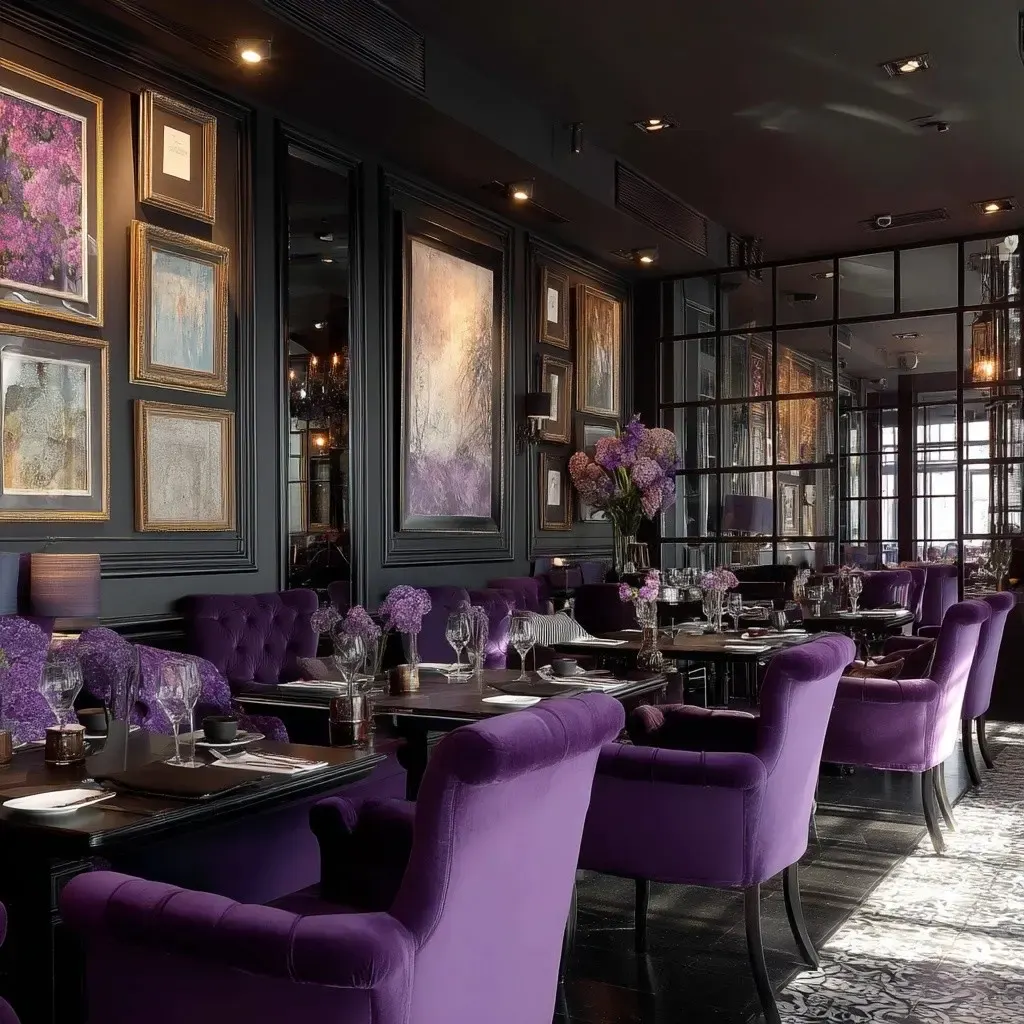
Warm, low-contrast tones (terracotta, olive, warm neutrals) under dimmable 2700K light. Deep colors work beautifully at dinner because they make candlelight and food the brightest things in the room.
Round or rectangular table for hosting?
Round up to six guests (everyone shares one conversation. Rectangular beyond that) it seats more per square meter and suits narrow rooms.
Can I test dining room ideas with AI?
Yes, upload one photo to House AI and generate the room in different styles and palettes. It is the fastest way to check whether a bold wall color survives contact with your actual furniture.
Cook simple, light warm, seat generously. Guests remember how a room felt long after they forget the menu.
Design any room, shop or space with House AI in about 15 seconds. 1 free design a day.
Get Started Today