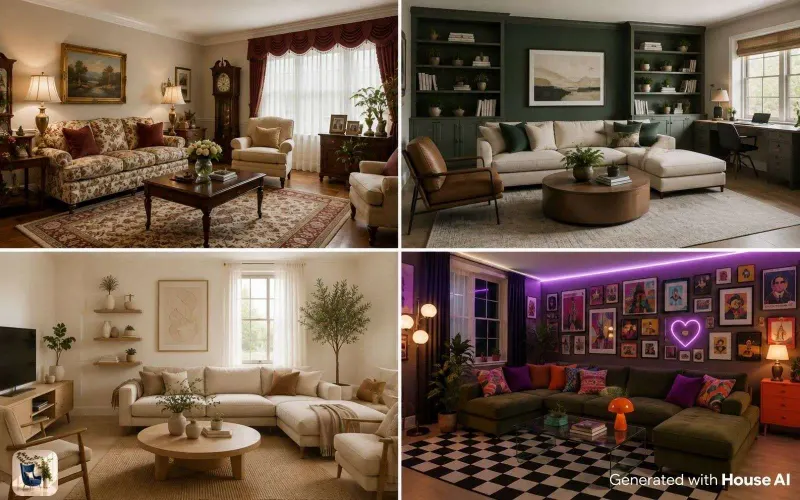
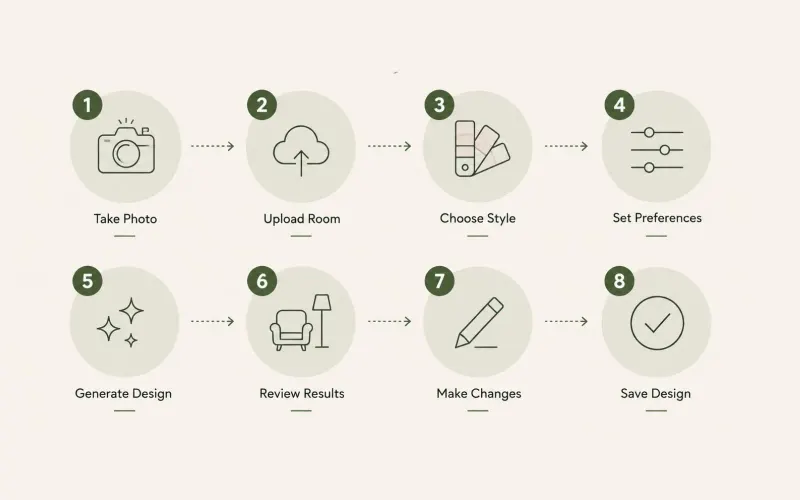
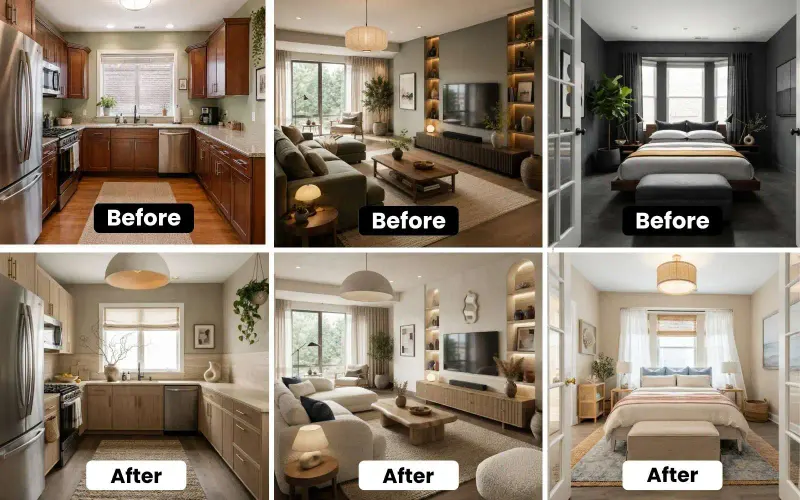
Interior design is the practice of planning and shaping the inside of a space so it is functional, safe and beautiful — the layout, lighting, materials, color and furniture all working together. It goes beyond decorating: a designer plans how a room is used and how people move through it, not just how it looks. It covers homes, offices, hotels, hospitals and more, and in 2026 tools like House AI let anyone preview a professional-quality redesign of their own room from a single photo.
"Interior design" gets used loosely — sometimes it means picking throw pillows, sometimes it means a licensed professional reworking a hospital floor. Both are real, but they are not the same job. This guide explains what interior design actually is, how it differs from decorating, the principles behind good rooms, the main types, what it costs, and how to become a designer — plus where AI now fits in.
What Is Interior Design?
Interior design is the art and science of enhancing the interior of a space to make it healthier, more functional and more pleasant for the people who use it. A designer works with the whole system of a room — its layout, circulation, lighting, materials, color, acoustics and furniture — and balances how it looks against how it has to perform. Where architecture shapes the building, interior design shapes the experience of being inside it.
That means an interior designer is solving problems as much as styling. Will two people pass comfortably between the sofa and the wall? Is there enough light to cook by and enough softness to relax under? Do the materials survive real life? Good design answers all of that before it ever gets to the pretty part.
Interior Design vs Interior Decorating
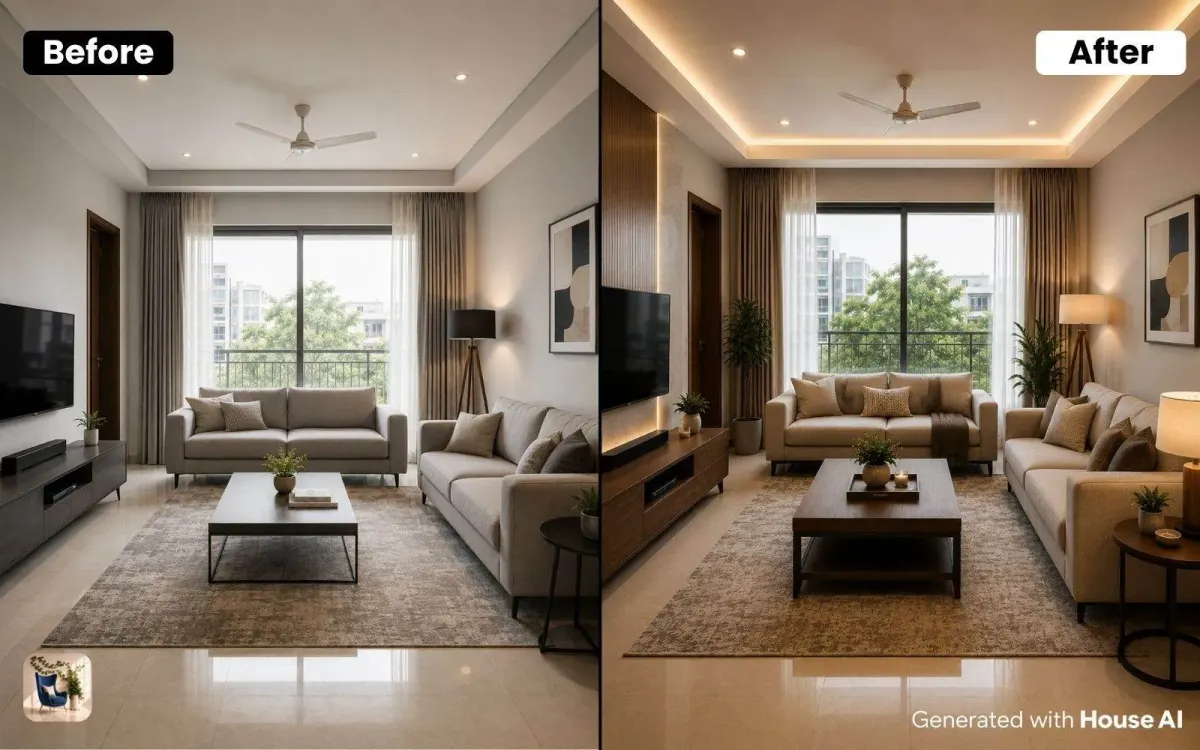
This is the distinction that trips most people up. Interior decorating is about the surface layer — furniture, paint, textiles, accessories — making an existing space look good. Interior design includes all of that but starts earlier and goes deeper: it can change the layout, plan the lighting and electrical, specify materials, and account for safety and building codes. Put simply, a decorator restyles what is there; a designer can rethink how the space itself works.
What Does an Interior Designer Actually Do?
The single most important thing a designer does is space planning — deciding where everything goes so a room functions. That covers circulation (the paths people walk), clearances (how much room a door, chair or walkway needs), zoning (which areas do what), and how the furniture layout supports all of it. Get the plan right and the room feels effortless; get it wrong and no amount of nice furniture fixes it.
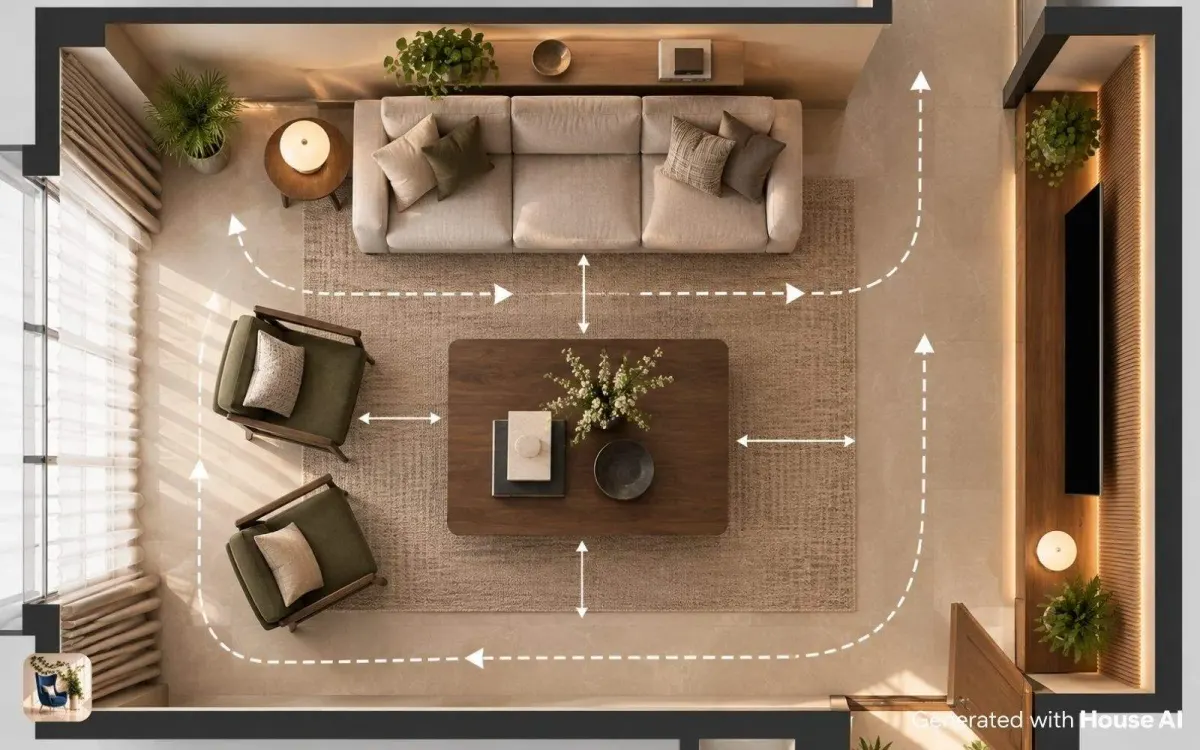
Beyond the plan, designers select materials and finishes, design or specify lighting, choose color palettes, source furniture, manage budgets, and coordinate with architects, contractors and tradespeople to get it built. On larger projects they also handle codes, accessibility and safety.
The Core Principles of Interior Design
Behind every room that just feels right is a set of principles designers lean on: scale and proportion, balance, rhythm, harmony, contrast and emphasis. You do not need the vocabulary to feel when they are missing — a room that is off usually breaks one of them. Two do the heaviest lifting.
Scale and proportion
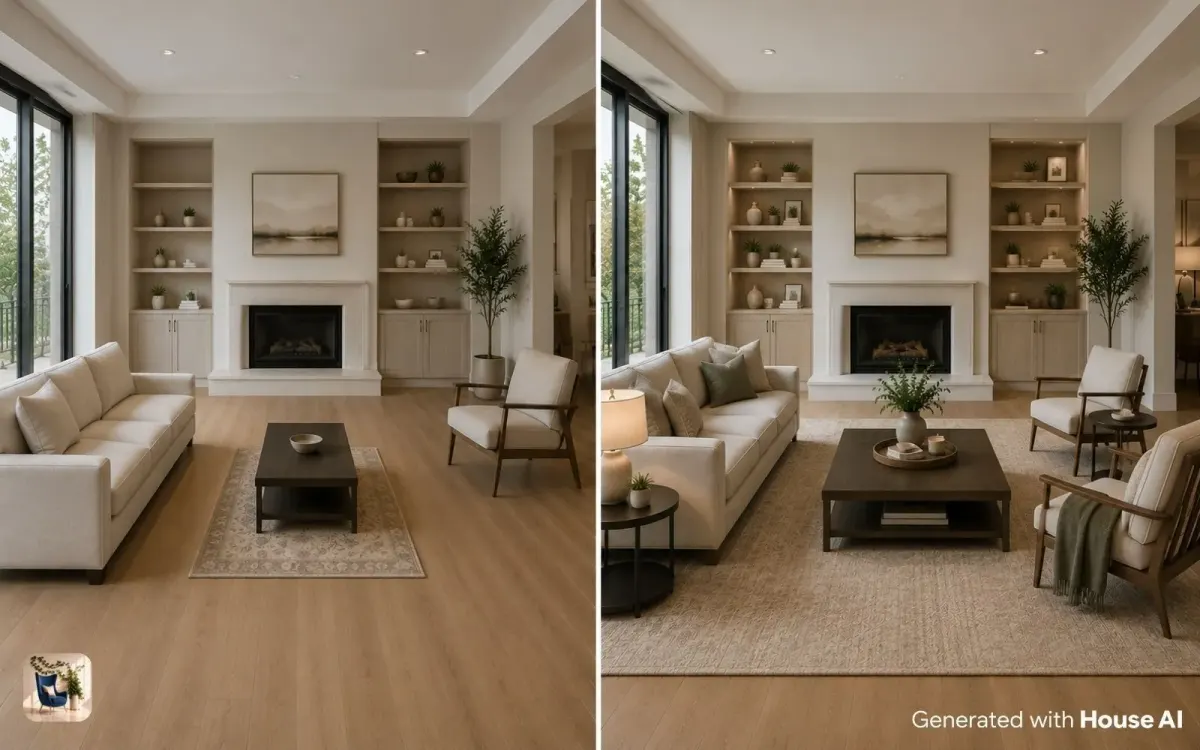
Scale is how big things are relative to the room; proportion is how they relate to each other. The classic mistake is a rug that is too small — it makes furniture float and the whole room shrink. Size the rug so the front legs of the seating sit on it, and the same room instantly reads pulled-together and larger.
Balance and symmetry
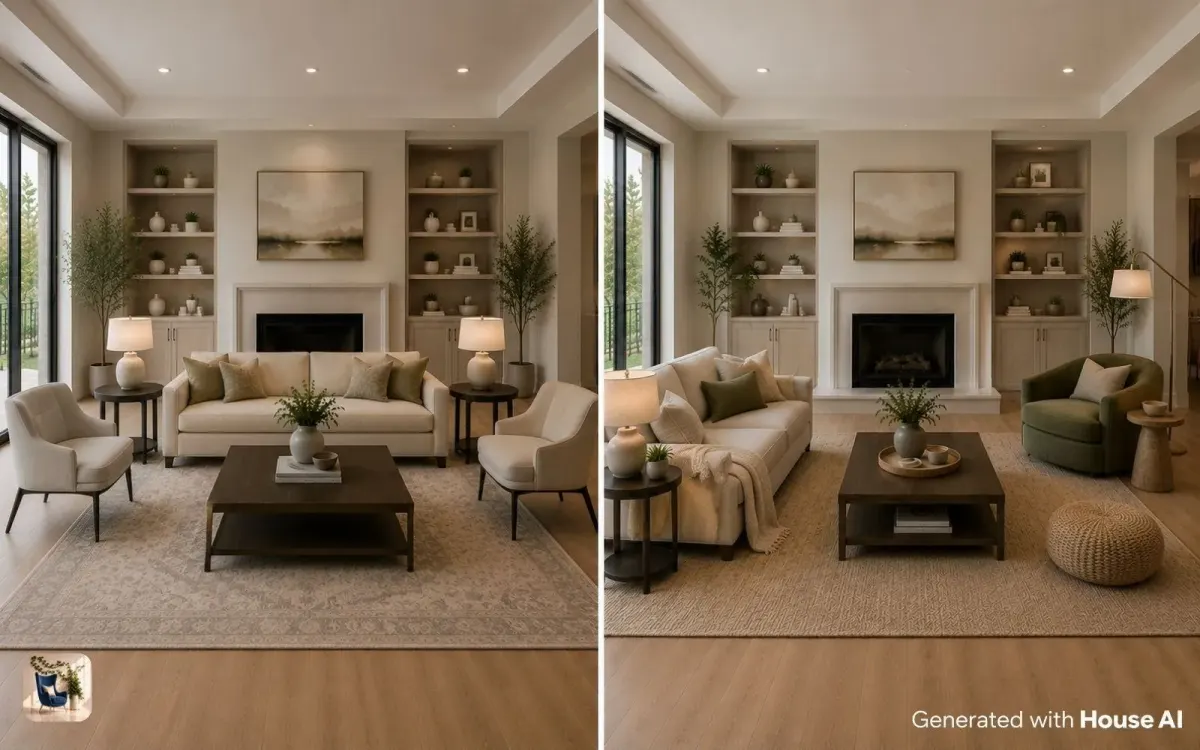
Balance is how visual weight is distributed. Symmetrical balance (matching pairs around a center) feels formal and calm; asymmetrical balance (different objects that still weigh the same visually) feels relaxed and modern. Neither is better — it is about the mood you want. The trap is imbalance, where one side of the room quietly feels heavier than the other.
The Main Types of Interior Design
Interior design splits into specialisms, and they demand very different skills. The two biggest umbrellas are residential (homes) and commercial (everything else), with commercial branching into workplace, hospitality, healthcare, retail and more.
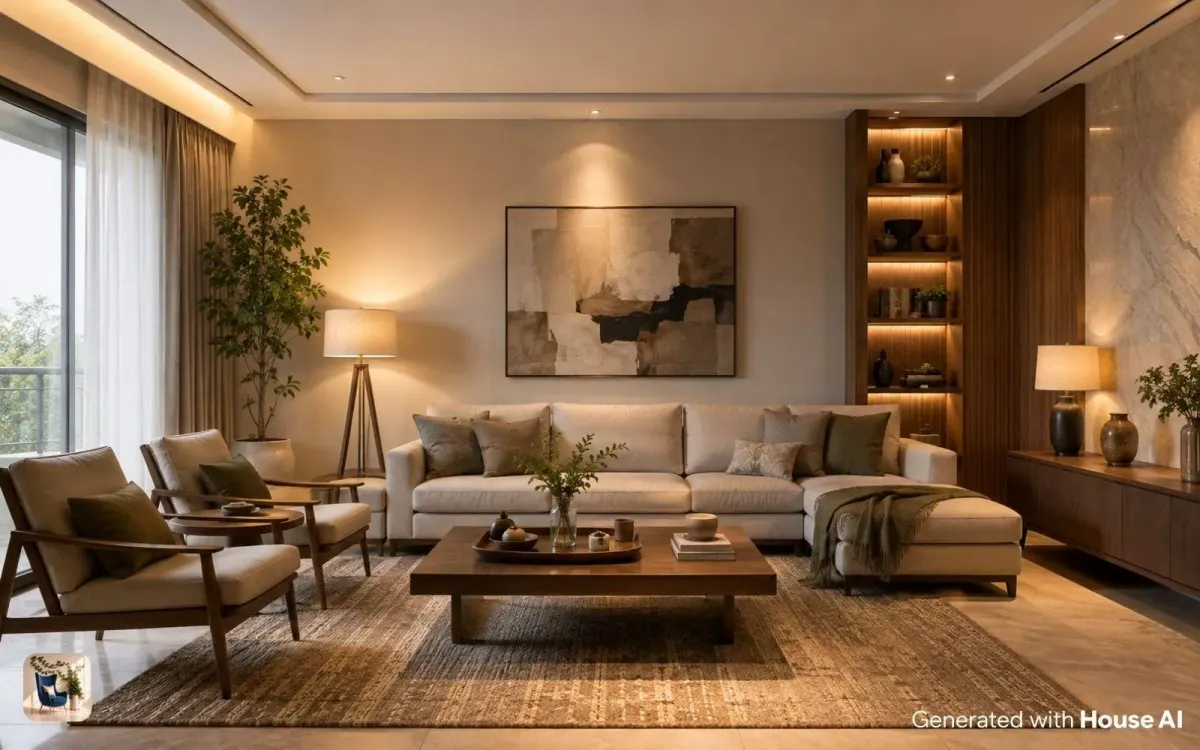
Residential design
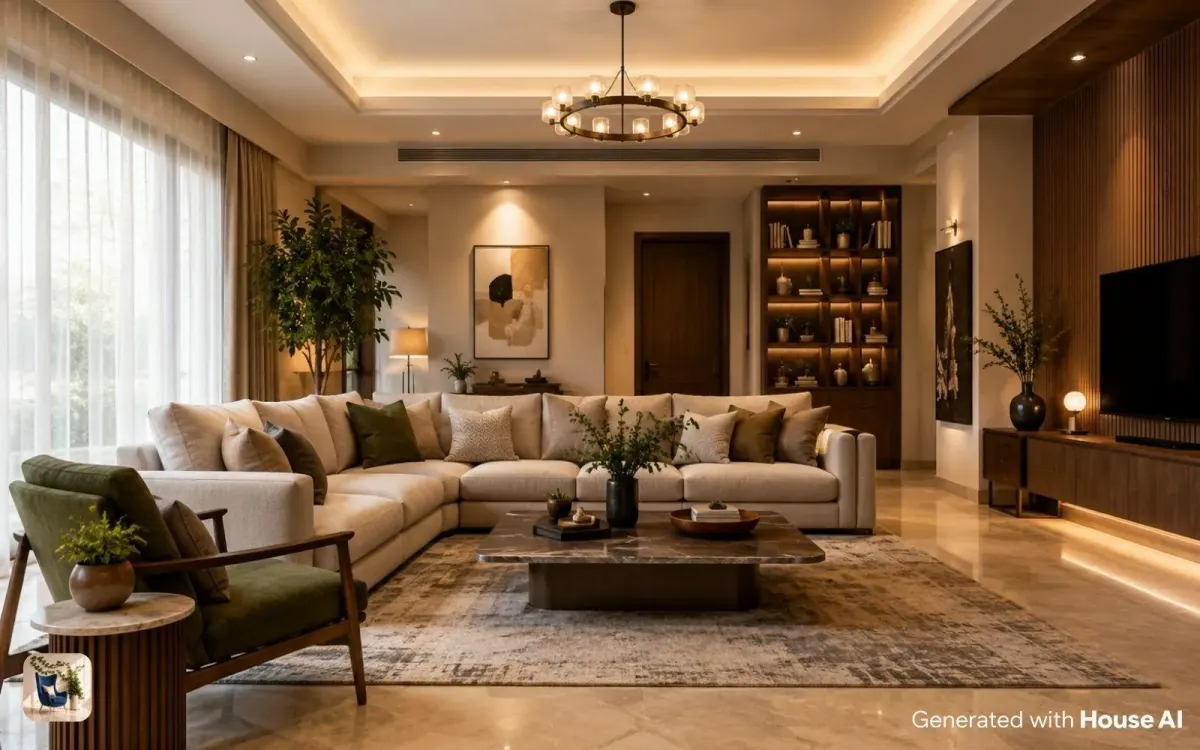
Designing homes — apartments, houses, individual rooms — around how real people live. It is the most personal type, balancing a client's taste, budget and daily routines. A warm neutral palette with layered lighting is a residential staple because it flatters everyday life.
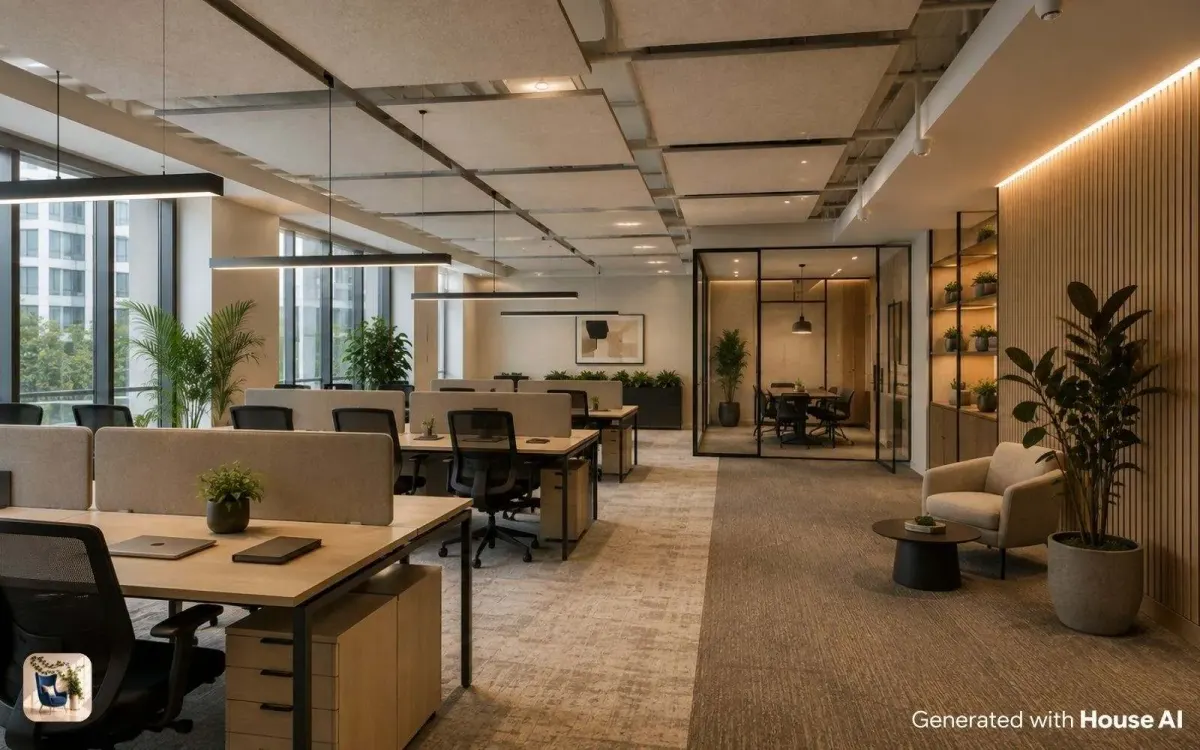
Commercial and workplace design
Offices and workplaces designed for productivity, wellbeing and brand. Think open-plan layouts, acoustic control, task lighting and durable materials that take heavy daily use. The designer is balancing how a space feels against how many people it has to serve.
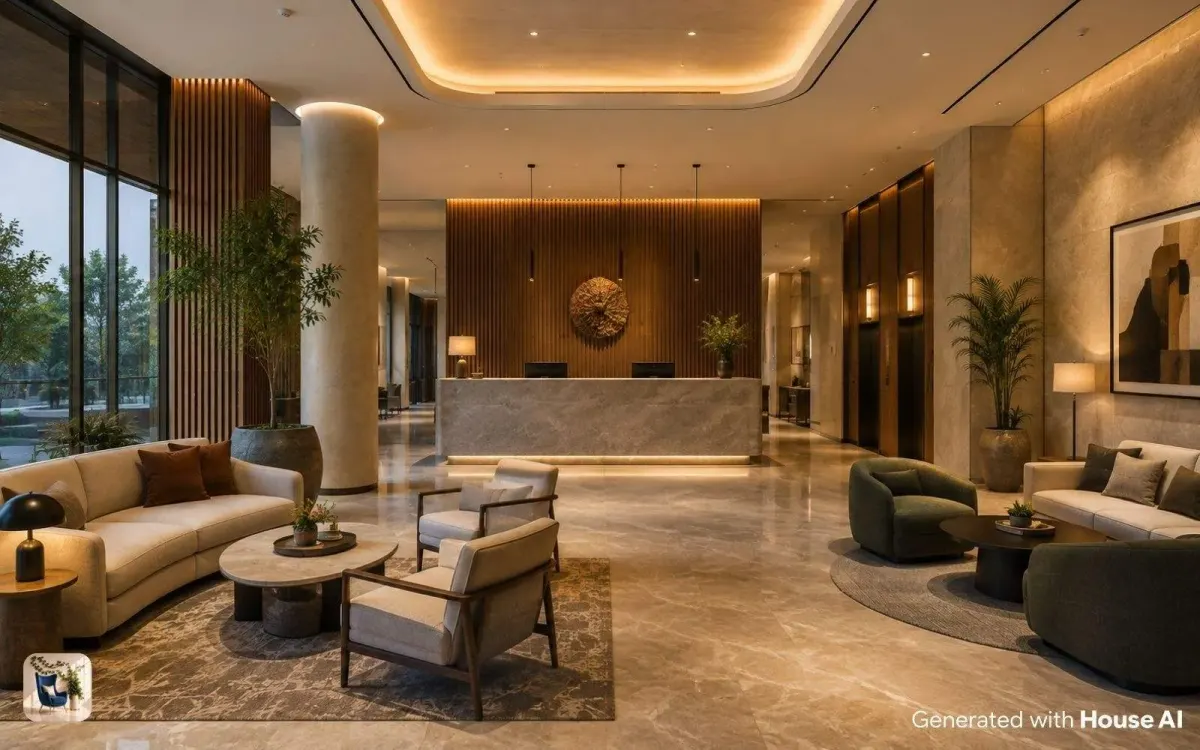
Hospitality design
Hotels, restaurants and bars, where the interior is part of the product. A hotel lobby has to make a first impression, guide guests, and hold up to constant traffic — reception, lounge seating and feature lighting all doing a job at once.
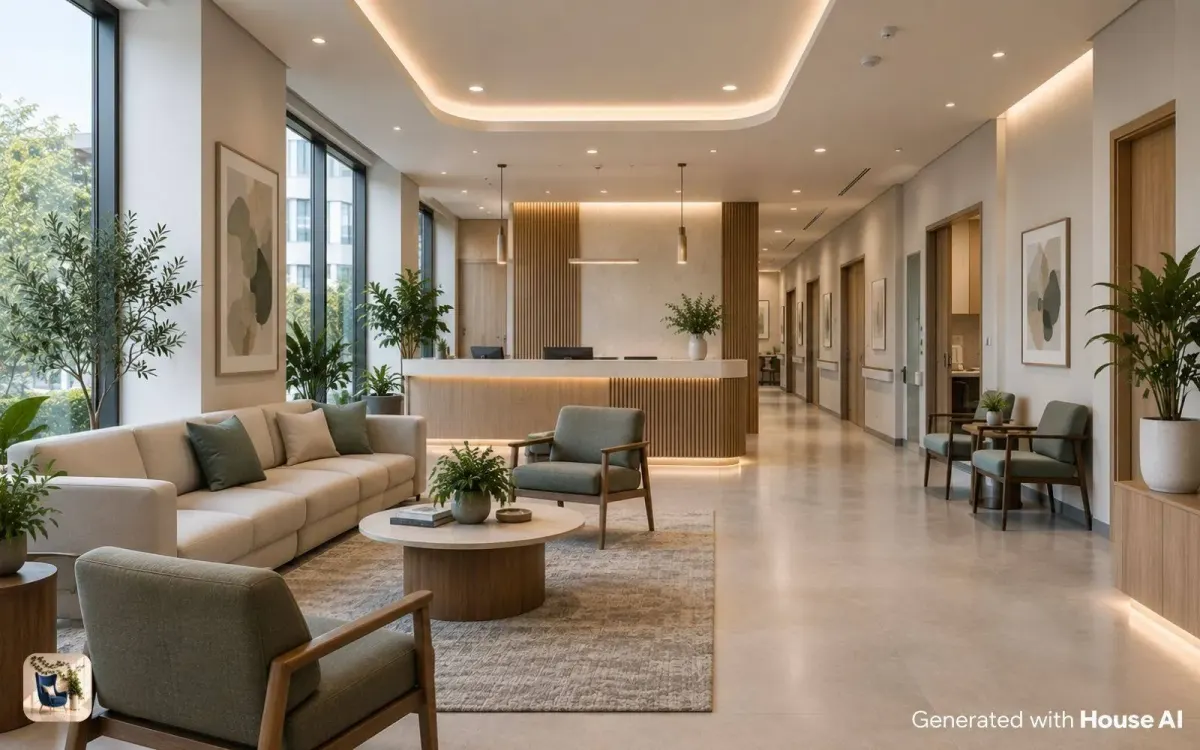
Healthcare design
Clinics, hospitals and care spaces, where design directly affects wellbeing and safety. It demands durable, cleanable finishes, clear wayfinding, accessible seating and calm environments — one of the most technical and regulated specialisms.
How Much Does Interior Design Cost?
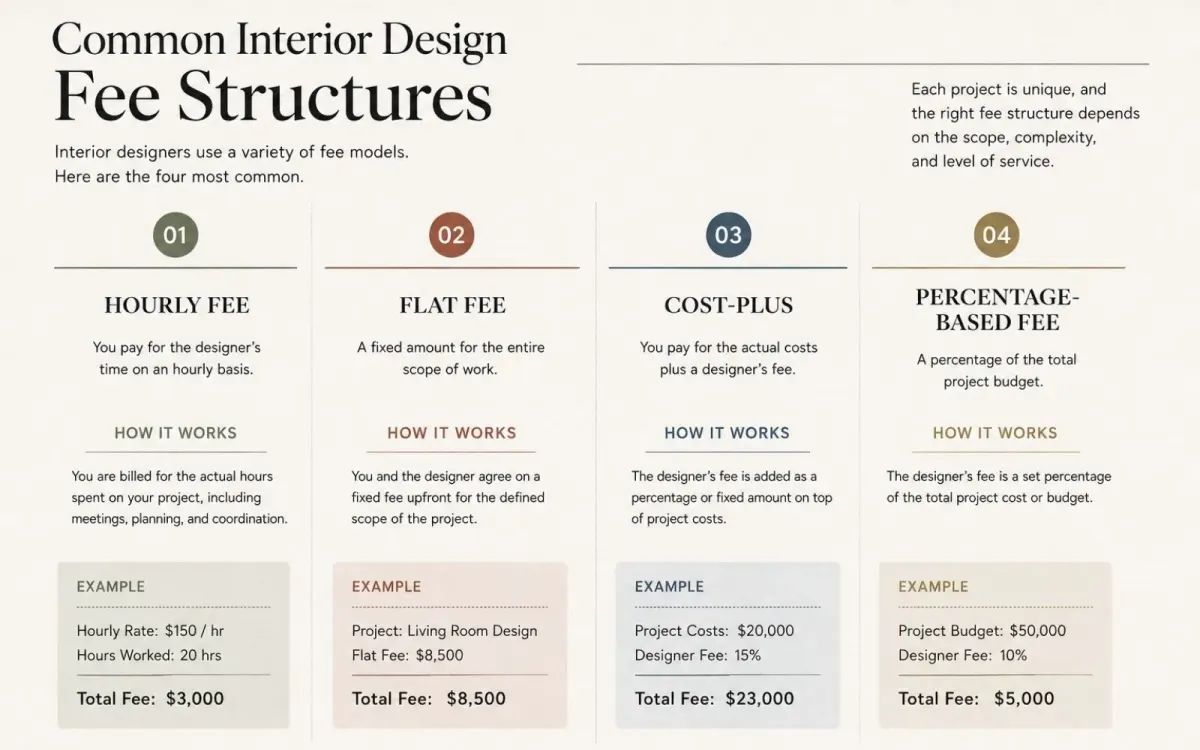
Interior designers charge in a few common ways, and knowing them helps you compare quotes. Hourly is simplest for small jobs; a flat (fixed) fee is common for a defined project; cost-plus adds a percentage on top of the furniture and materials the designer buys; and a percentage fee is a share of the total project cost, typical on larger builds. There is no single right model — it depends on the size and clarity of the project.
How to Become an Interior Designer
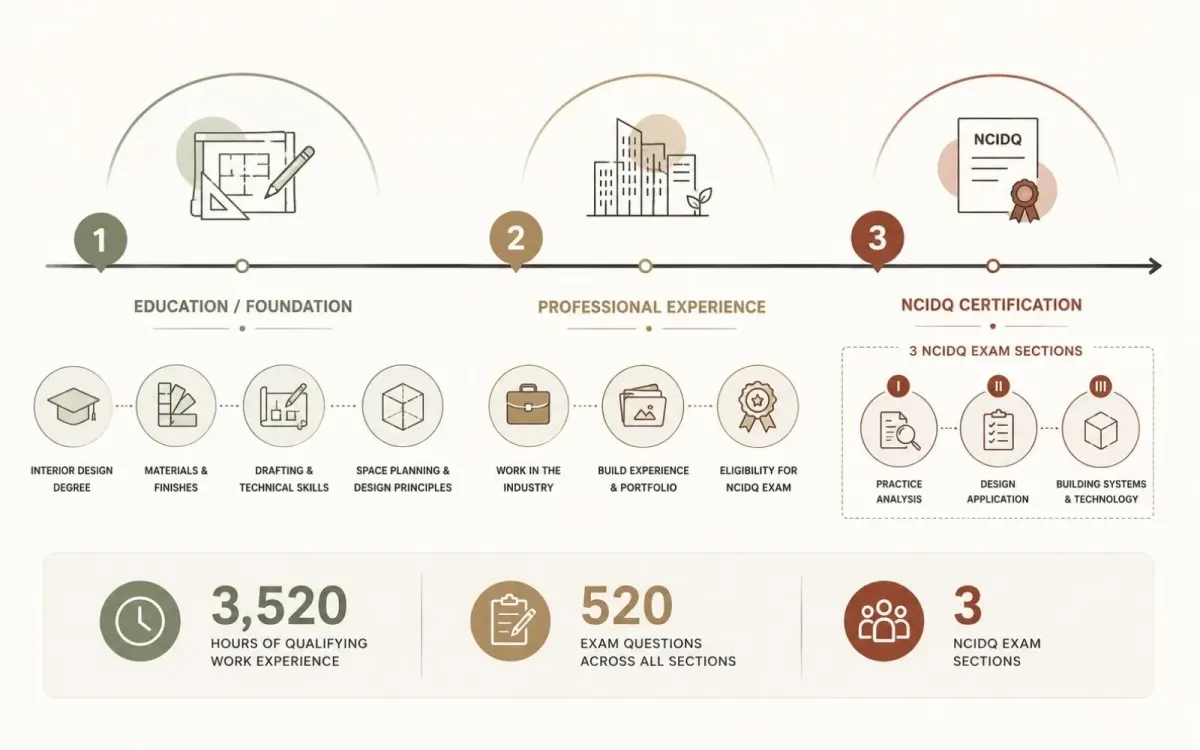
In much of the US, becoming a qualified interior designer follows a clear path: an interior design degree, then supervised work experience (around 3,520 hours), and then the NCIDQ exam — the professional standard, made up of three sections and roughly 520 questions in total. Passing it lets you call yourself a certified interior designer. Decorating, by contrast, has no such licensing requirement, which is part of why the two terms are not interchangeable.
Where AI Fits Into Interior Design
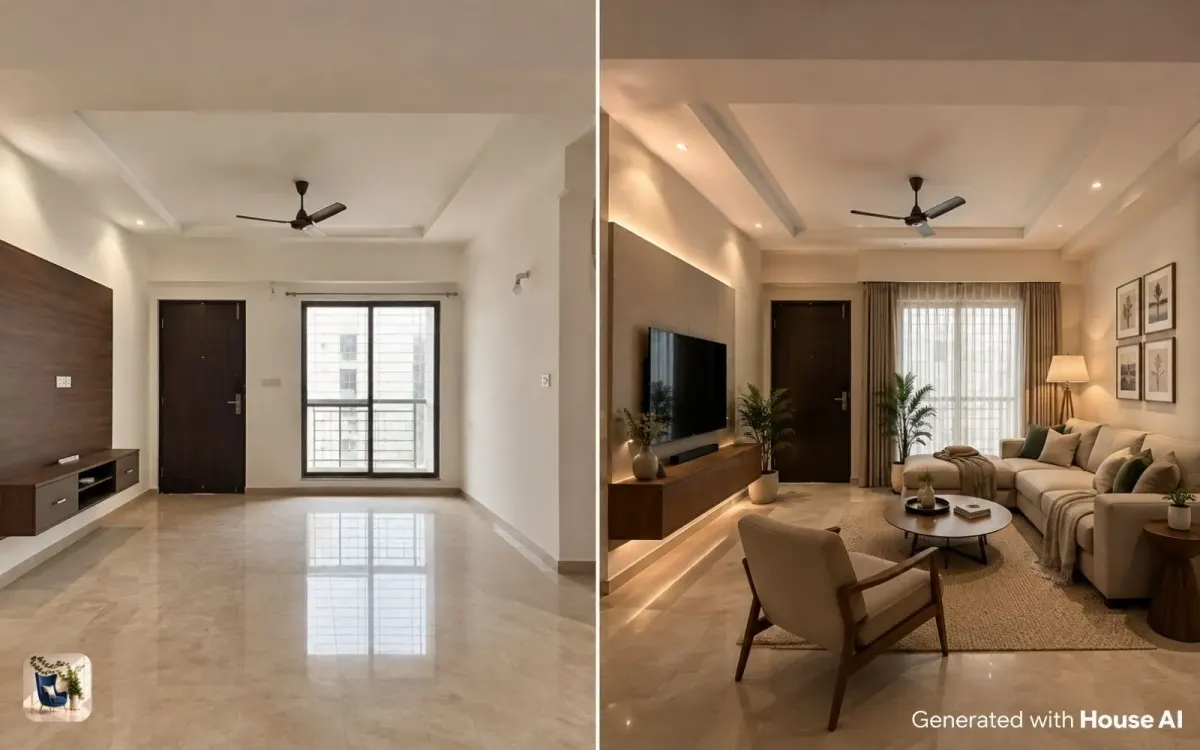
AI has not replaced designers — space planning, codes and taste still need a human — but it has changed the early, visual part of the process for everyone. With House AI you upload a photo of a real room and get a photorealistic redesign of that same space in about 15 seconds on average, across 300+ styles. Homeowners use it to see options before spending; students and new designers use it to build portfolios and present ideas fast, putting a photographed room next to an AI redesign side by side.
FAQ: What Is Interior Design
What is the simplest definition of interior design?
Interior design is planning and shaping the inside of a space — its layout, lighting, materials, color and furniture — so it is functional, safe and beautiful for the people who use it. It is about how a space works, not just how it looks.
What is the difference between interior design and interior decorating?
Decorating is the surface layer — furniture, paint, textiles and accessories to make a space look good. Design includes decorating but goes deeper: it can change the layout, plan lighting and electrical, specify materials, and handle safety and codes. A designer can rethink how the space works; a decorator restyles what is already there.
What does an interior designer do?
They plan how a space is used and how people move through it (space planning), then select materials, lighting, color and furniture, manage budgets, and coordinate with architects and contractors to get it built. Space planning — circulation and clearances — is the core of the job.
What are the main principles of interior design?
Scale and proportion, balance, rhythm, harmony, contrast and emphasis. Scale and proportion (sizing things to the room and each other) and balance (distributing visual weight) do the most to make a room feel right.
What are the types of interior design?
The two big categories are residential (homes) and commercial. Commercial branches into workplace/office, hospitality (hotels, restaurants), healthcare (clinics, hospitals), retail and more — each with different functional and regulatory demands.
How do you become an interior designer?
Typically an interior design degree, around 3,520 hours of supervised work experience, and passing the NCIDQ exam (three sections, roughly 520 questions). That path leads to certification; decorating has no equivalent licensing requirement.
Can AI do interior design?
AI can handle the visual, ideation part — tools like House AI redesign a real room from a photo in about 15 seconds across 300+ styles. It does not replace a designer's space planning, code knowledge and judgment, but it is a fast, low-cost way to explore and present options.
The Bottom Line
Interior design is the discipline of making a space work and feel right — planning the layout and experience, not just choosing the furnishings. Whether it is a home, an office, a hotel or a clinic, the same principles apply, and the difference between design and decorating comes down to how deep the changes go. And in 2026 you do not have to be a professional to start: snap a photo of your room, run it through House AI for free, and see a designed version of your own space in seconds.
Design any room, shop or space with House AI in about 15 seconds. 1 free design a day.
Get Started Today