Interior designers held about 97,100 jobs in the US in 2025, and the median pay was $67,190 a year in May 2025, according to the Bureau of Labor Statistics. Most work for design firms, for themselves, for architecture and engineering firms, or in retail. Jobs are projected to grow 3% from 2025 to 2035, with about 7,700 openings a year.
Interior design is a small field, so a focused plan beats sending the same resume everywhere. This guide covers the roles, who hires, what each employer type pays, and the steps to a first job, using federal data checked this month.
How many interior design jobs there are
There were about 97,100 interior designer jobs in the US in 2025. That is the Bureau of Labor Statistics (BLS) count in its Occupational Outlook Handbook, and it includes people who work for themselves.
You may also see a smaller number: 71,500. That figure comes from the BLS Occupational Employment and Wage Statistics survey for May 2025, which asks employers about their payroll. Self-employed designers aren't on anyone's payroll, so they drop out of that count. Both numbers are right. They measure different things.
Either way, the field is small next to many other careers. Openings go to applicants whose portfolio fits the role, which is why the hiring steps later in this guide start with choosing one.
Types of interior design jobs
Interior design jobs split by the kind of space you design and the kind of employer you work for. The BLS names five common specialties: corporate, healthcare, kitchen and bath, sustainable, and universal design. Residential, retail, and freelance work cover most of the rest.
| Role | Where the jobs are | What the work involves |
|---|---|---|
| Residential designer | Design firms, solo practices, and home showrooms | Planning homes room by room: layout, finishes, furniture, lighting, and budget |
| Corporate designer | Design firms and architecture firms | Planning workplaces that are efficient, functional, and safe, sometimes built around a company's brand |
| Healthcare designer | Firms that plan hospitals, clinics, doctors' offices, and care facilities | Using evidence-based design, where research on patient and resident outcomes guides layout and material choices |
| Kitchen and bath designer | Showrooms, remodelers, and cabinet and fixture sellers | Specifying cabinets, fixtures, appliances, plumbing, and electrical for kitchens and bathrooms |
| Sustainable designer | Design and architecture firms | Planning for energy and water efficiency, indoor air quality, and materials like bamboo and cork floors |
| Universal designer | Renovation and accessibility projects | Making spaces easier for everyone to use, such as an entry with no steps |
| Retail designer | Furniture and home stores | Helping shoppers plan rooms around what the store sells |
| Freelance designer | Self-employed, about 26% of all interior designers | Running the business as well as the design: finding clients, setting fees, and managing contractors |
Titles change from firm to firm. A junior designer at one studio might be called a design assistant at another. Read the duties in a listing, not the title, to see which role it really is.
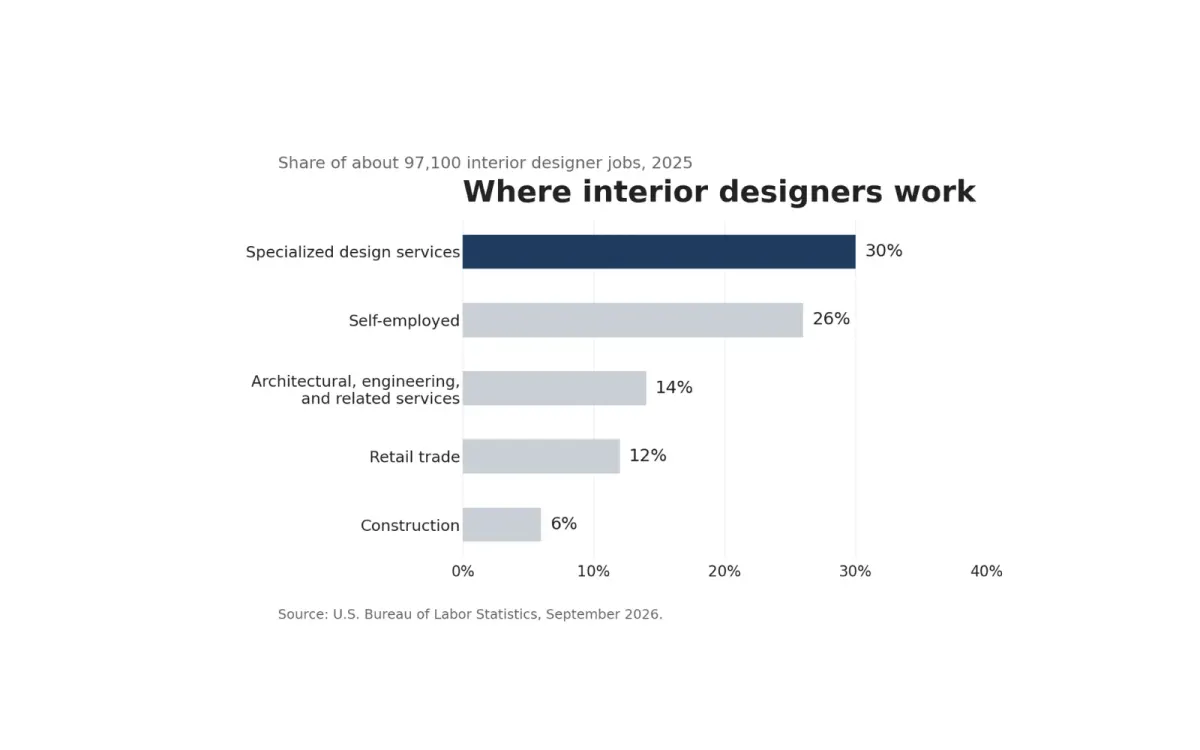
Where interior designers work
Specialized design services firms employ the most interior designers, at 30% of all jobs, according to the BLS. Self-employed designers come next at 26%. Architecture and engineering firms employ 14%, retail stores 12%, and construction companies 6%.
Those five groups tell you where to send applications. Design firms are the biggest single employer, but more than a quarter of the field works for themselves, which means finding your own clients. Architecture firms hire fewer designers than design firms but have the highest median pay. Retail stores and builders add another 18% of jobs between them, and they need people who can help clients choose furniture and finishes.
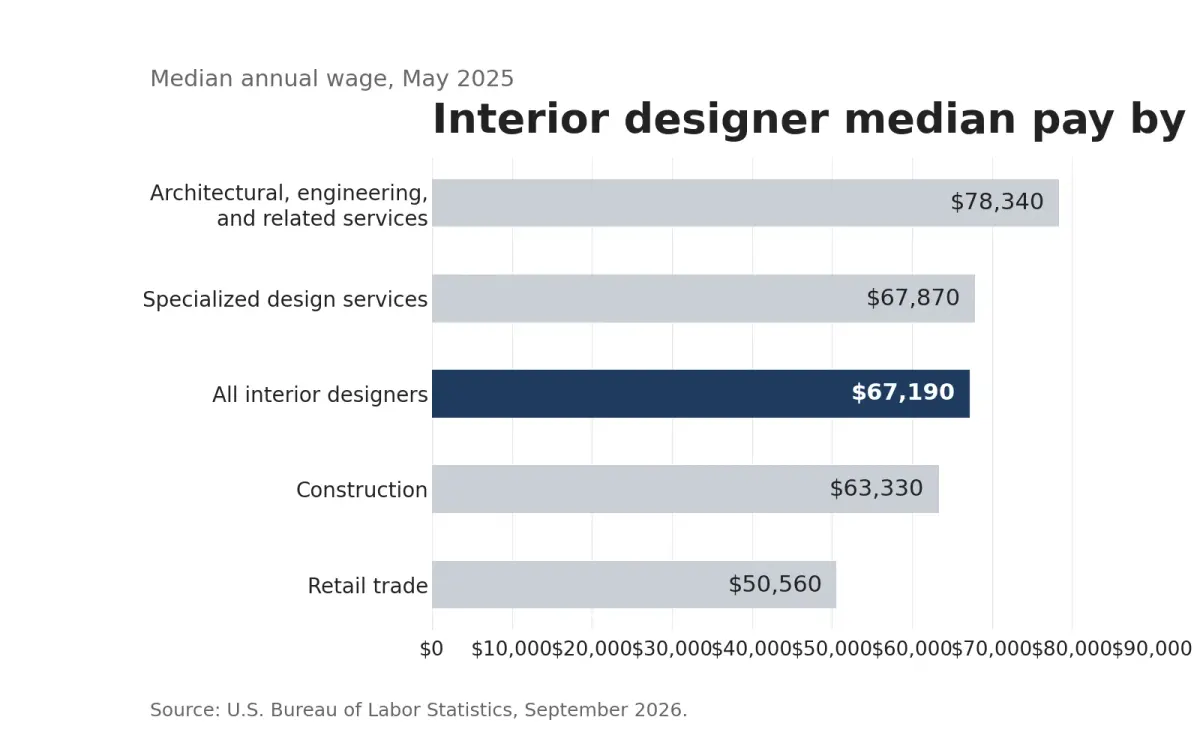
How much interior designers make
The median interior designer earned $67,190 a year in May 2025, or $32.31 an hour, according to the BLS. The lowest-paid 10% earned less than $41,420, and the highest-paid 10% earned more than $114,140. The mean, which gets pulled up by top earners, was $74,540.
Your employer type changes the number. Designers at architecture and engineering firms had the highest median of the four industries the BLS reports, and retail had the lowest.
| Employer type | Share of interior designer jobs | Median annual pay, May 2025 |
|---|---|---|
| Architectural, engineering, and related services | 14% | $78,340 |
| Specialized design services | 30% | $67,870 |
| Construction | 6% | $63,330 |
| Retail trade | 12% | $50,560 |
| Self-employed | 26% | Not reported by BLS |
| All interior designers | 97,100 jobs | $67,190 |
Salary websites often show different numbers because they build them from job postings or pay that users report themselves. The BLS figures come from government surveys, which is why this guide uses them.
The job outlook for interior designers
Interior designer jobs are projected to grow 3% from 2025 to 2035, about as fast as the average for all occupations. That works out to about 2,600 new jobs over the decade.
Growth isn't where most openings come from, though. The BLS projects about 7,700 openings a year, and many of them will come from designers who move to other careers or retire. It expects homeowners and companies to keep needing designers for renovation projects. More focus on building codes and on spaces that meet accessibility standards may also help create jobs, which is good news if you are drawn to universal or healthcare design.
Education and licensing in brief
Most interior design jobs ask for a bachelor's degree, according to the BLS. Licensing depends on the state. In some states only licensed designers can do interior design work. In others, anyone can do the work but only licensed designers can use the title "interior designer." In the rest, there are no title or practice limits.
Where the title is protected, you need to pass a state-approved exam to call yourself a registered interior designer. To sit for it, the BLS says you typically need a bachelor's degree in interior design and 2 years of full-time work experience. Check your own state's rules before you apply for jobs that list a license.
How to get hired as an interior designer
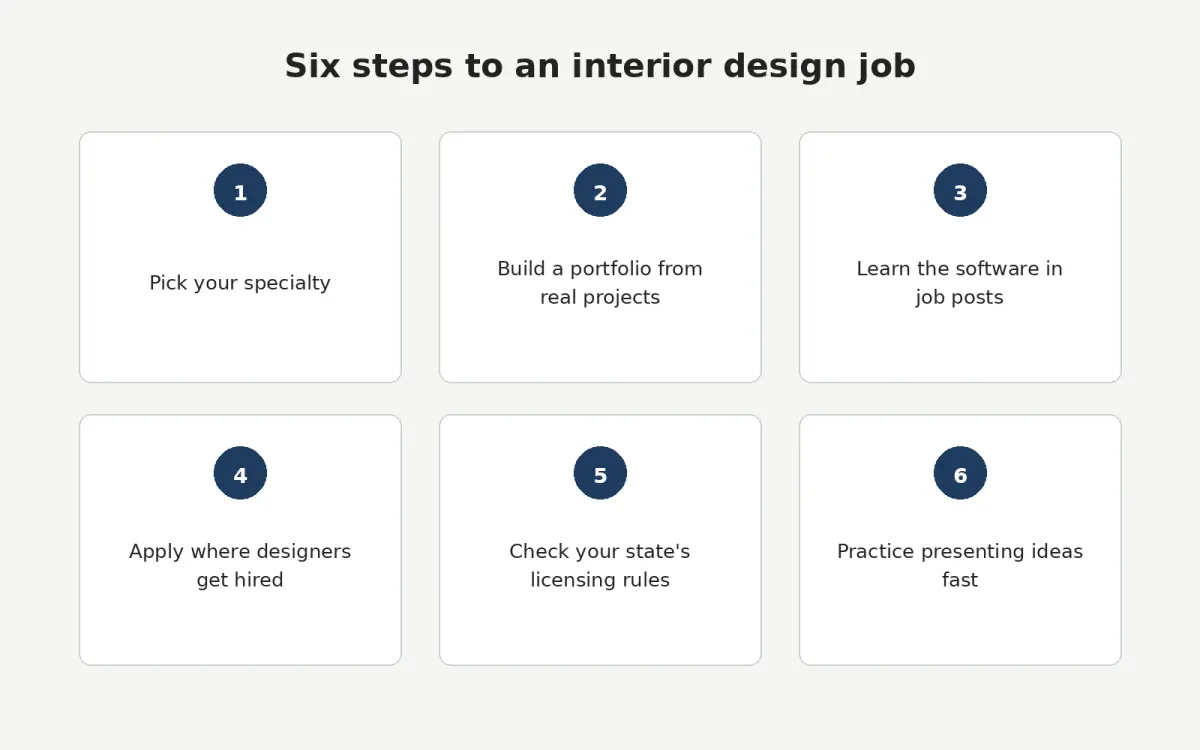
Start with a focused portfolio and send it to the employers who hire the most designers. These steps work whether you are finishing school or switching careers.
Step 1: Pick the kind of design you want to do
Choose one or two roles from the table above. A portfolio built for kitchen and bath jobs looks very different from one built for corporate offices, and a focused one is easier to match to a listing.
Step 2: Build a portfolio from real projects
Show floor plans, finish boards, and photos of finished rooms, including school or volunteer work. For each project, write two or three lines on the problem, your solution, and the budget. Label concept images as concepts so no one mistakes them for built work.
Step 3: Learn the software in the job posts
Read ten listings for the role you want and list every program they name. Learn the ones that repeat, then put them on your resume in the same words the listings use.
Step 4: Apply where designers get hired
Start with design firms and architecture firms, which together employ 44% of interior designers. Then add showrooms, furniture stores, and builders, which together employ another 18%.
Step 5: Check your state's licensing rules
Find out whether your state protects the title or the practice. If it does, plan your first job around the 2 years of work experience the exam typically requires.
Step 6: Practice presenting ideas fast
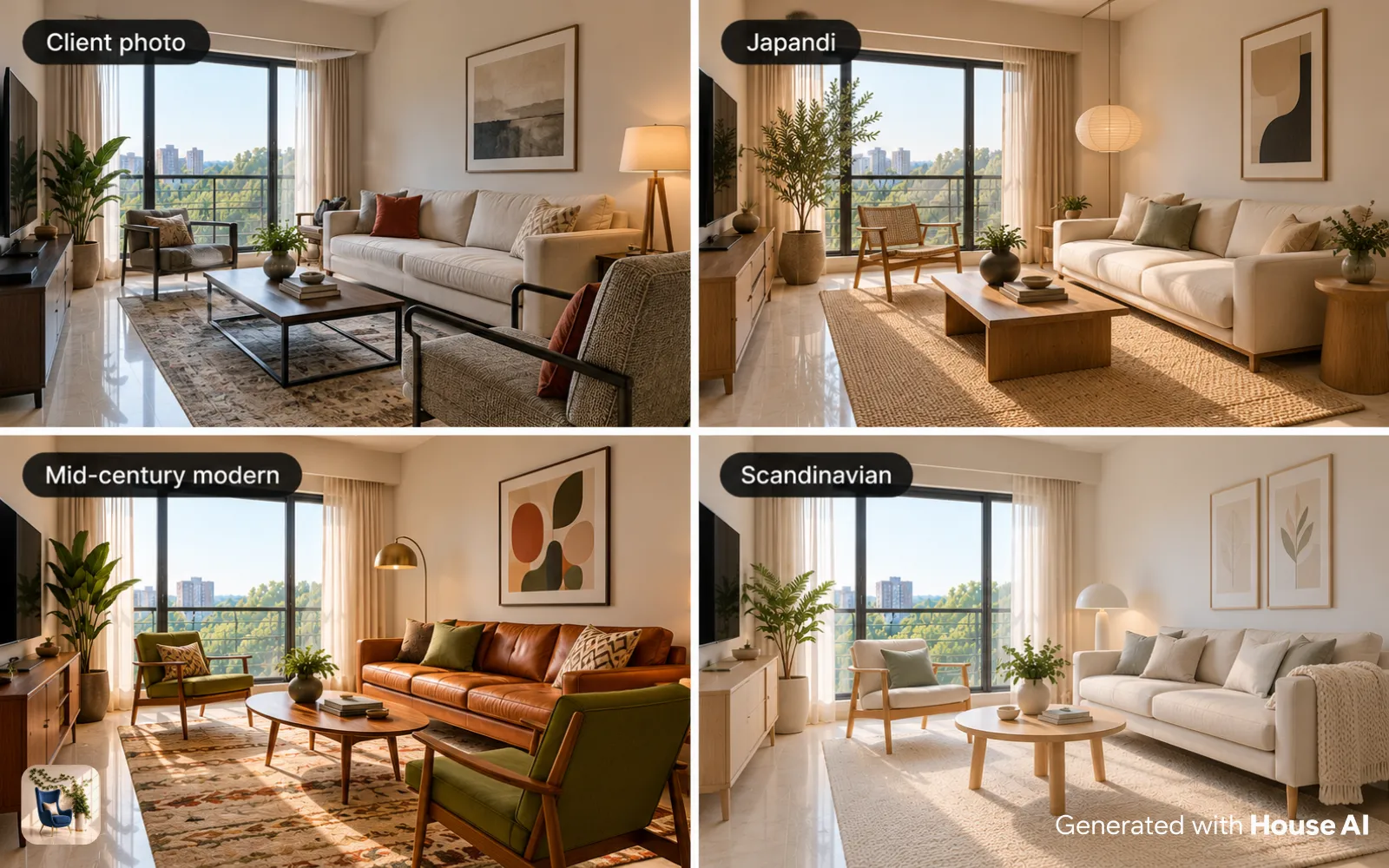
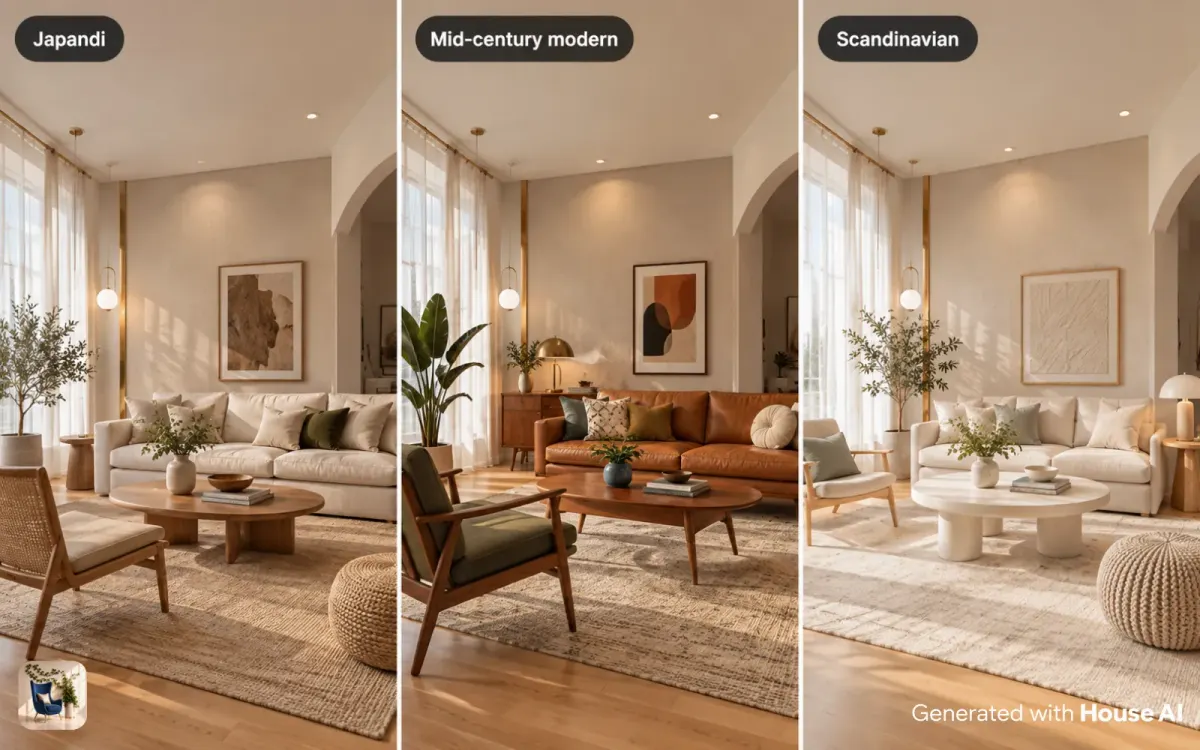
Clients often want to see options before they commit. Take photos of rooms you know, try a few styles on each, and practice explaining why one option fits the client better than the others.
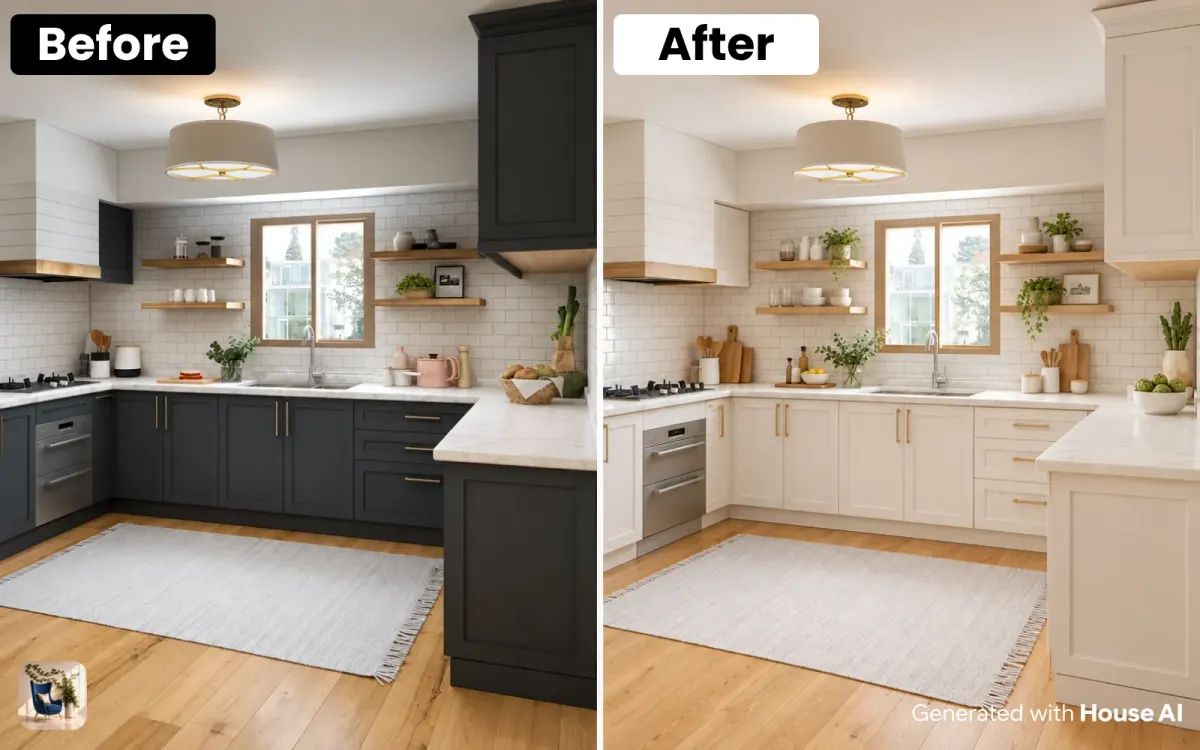
Where AI fits in an interior designer's job
AI speeds up the early concept stage, when a client wants to see what a room could look like. The measuring, drafting, code checks, ordering, and contractor work still belong to the designer.
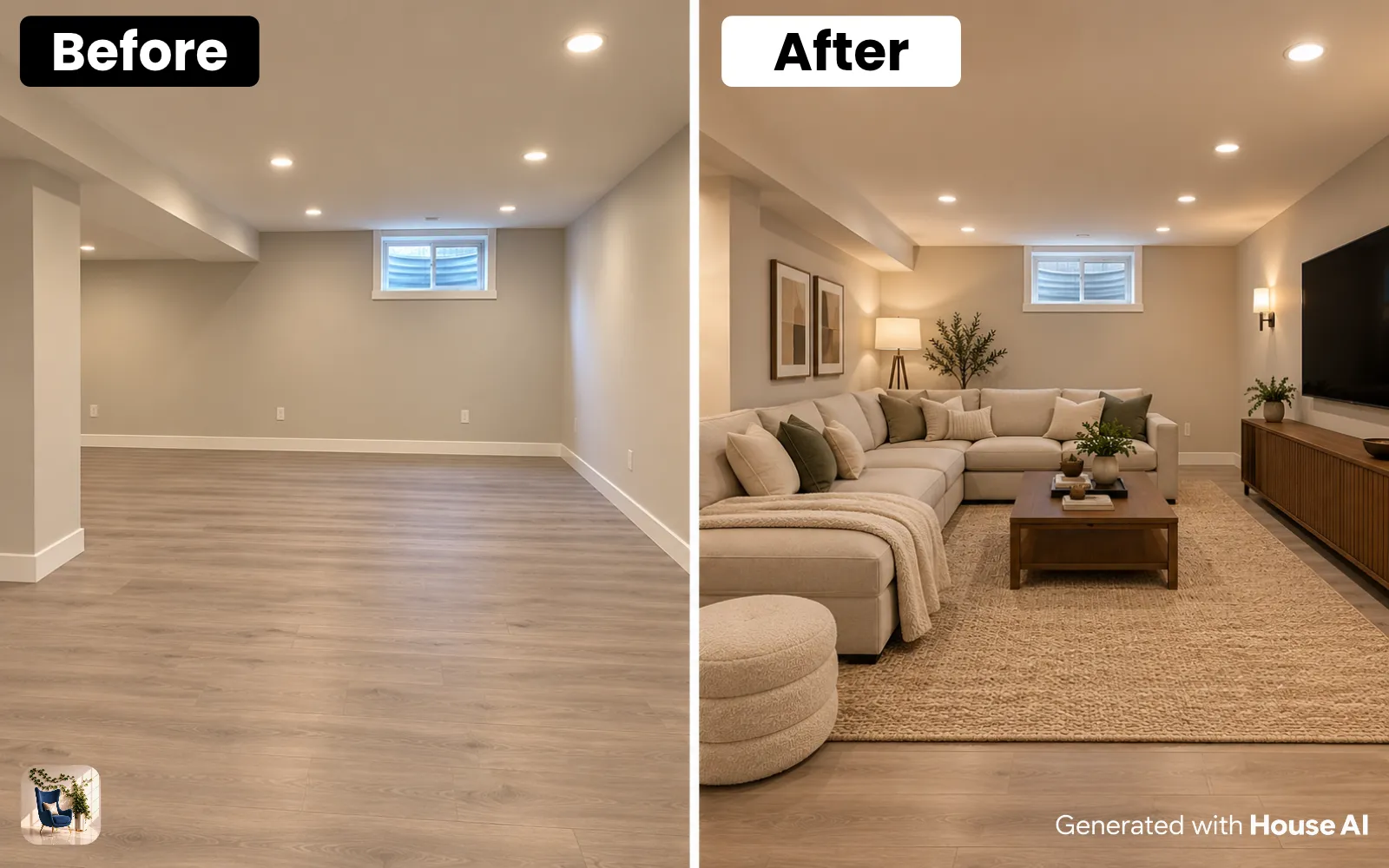
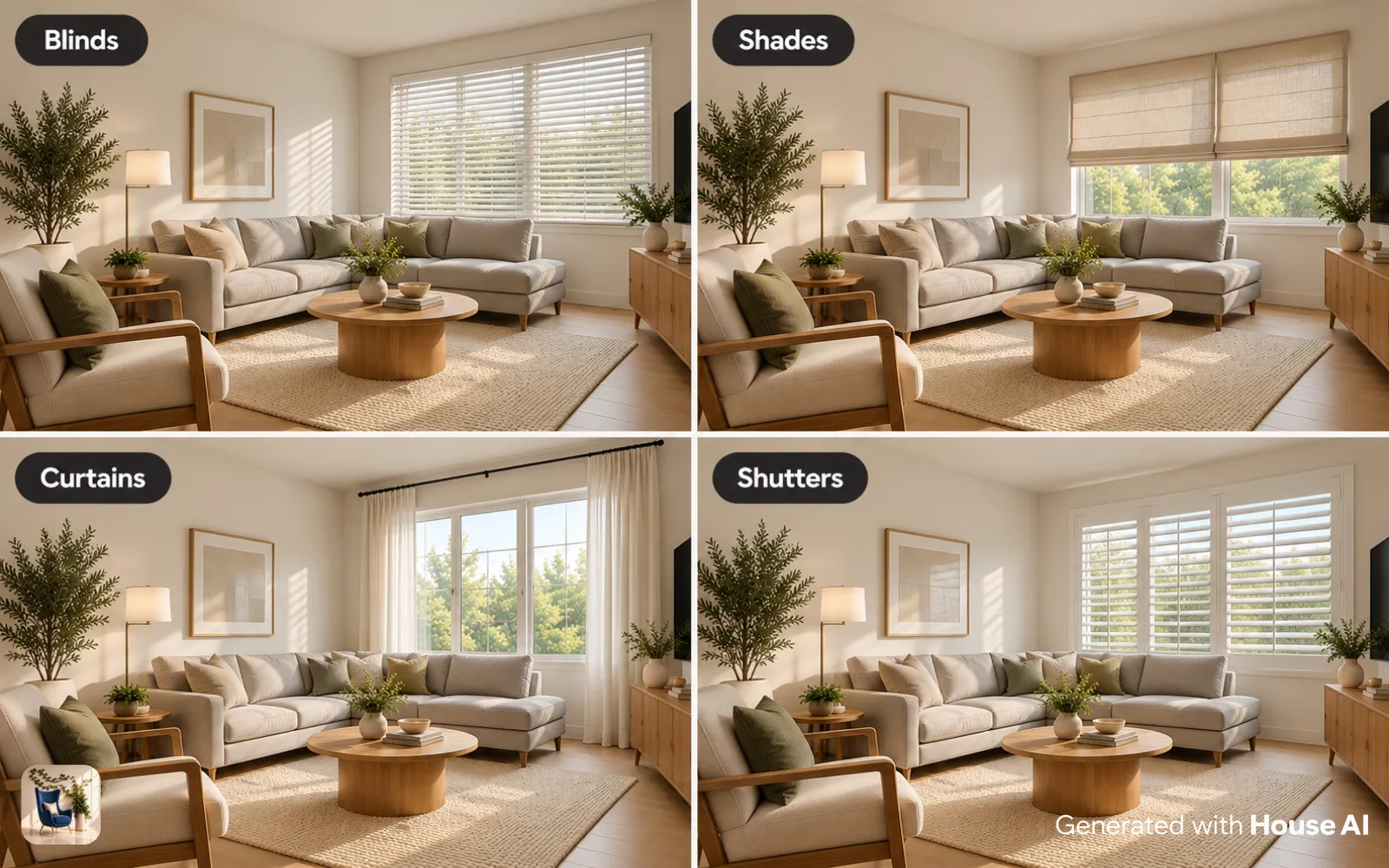
House AI, an AI interior design app by Addicting Elements, redesigns a photo of a real room in about 15 seconds on average, with 300+ styles to pick from or a look you describe in your own words. That makes it a quick way to practice the concept step in Step 6. It has limits you should know about. It doesn't measure the room, so a sofa that fits the picture may not fit the wall, and small details can drift between the render and real life. Treat the result as a mood picture, never a plan.
Design any room, shop or space with House AI in about 15 seconds. 1 free design a day.
Get Started TodayFrequently asked questions
Are interior design jobs in demand?
Demand is steady. The BLS projects 3% growth from 2025 to 2035 and about 7,700 openings a year, many of them from designers who retire or change careers.
How much do entry-level interior designers make?
The BLS doesn't report pay by experience level. The closest guide is the bottom of the range: the lowest-paid 10% of interior designers earned less than $41,420 in May 2025.
Which interior design jobs pay the most?
Among the industries the BLS reports, architecture and engineering firms pay the most, with a median of $78,340 in May 2025. Retail pays the least, at $50,560.
Can you get an interior design job without a degree?
It's harder. The BLS lists a bachelor's degree as the typical entry-level education. In states that protect the title, you need a degree and an exam to call yourself a registered interior designer.
Do interior designers work weekends?
Sometimes. The BLS notes that designers may need to adjust their workday to fit client schedules and deadlines, including evening and weekend meetings.
Keep reading
- What Is Interior Design? Definition, Principles, Types and Careers
- Interior Design Software: The 2026 Buyer's Guide
- AI vs Traditional Interior Design: Which Is Right for You?
- What Does Interior Design Cost in 2026?
Sources: U.S. Bureau of Labor Statistics, Occupational Outlook Handbook, "Interior Designers," last modified August 27, 2026. U.S. Bureau of Labor Statistics, "Occupational Employment and Wages, May 2025," Table 1, released May 15, 2026. Both checked September 28, 2026. House AI figures come from the House AI app.